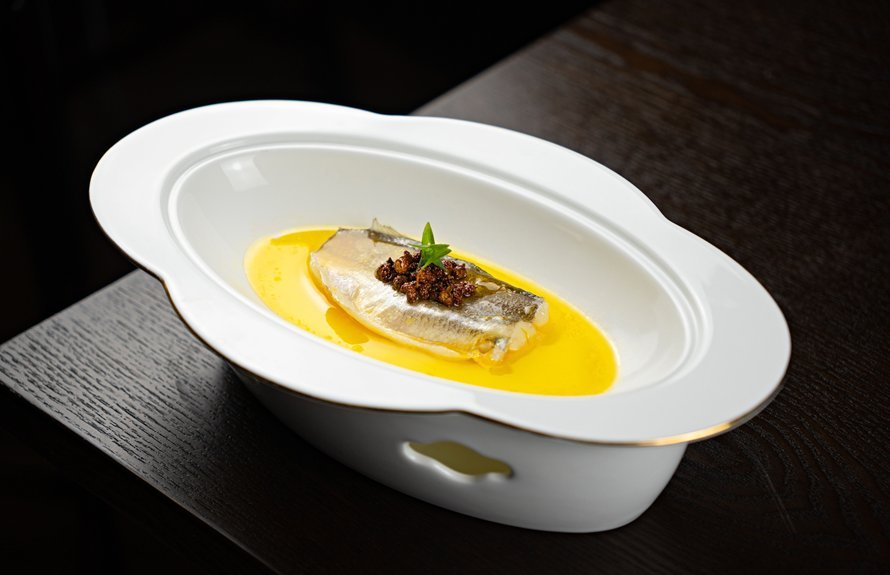
Tinzimvilhov is presented as a naming convention within culinary discourse, bridging etymology and practice. Its scope remains ambiguous: a dish, a brand, or a linguistic artifact. The question centers on significance, cultural resonance, and perceptual impact of labels. Proponents argue it clarifies tradition and branding, while skeptics warn of overinterpretation. The discussion hinges on tracing origins, regional variants, and sourcing logic, inviting a measured appraisal that neither overclaims nor dismisses the concept outright. The next step offers a structured examination.
What Is Tinzimvilhov? A Clear Etymology and Scope
Tinzimvilhov refers to a term used in culinary discourse to describe a specific naming convention for certain foods. The is etymology traces roots across languages, revealing a layered historical context. The is scope encompasses initials, descriptors, and regional variants, clarifying how labels influence perception and category. This objective lens emphasizes classification mechanics, separating tradition from novelty while preserving interpretive freedom for analysts and practitioners.
Is It a Dish, a Brand, or a Linguistic Curiosity?
The question of whether Tinzimvilhov functions as a dish, a brand, or a linguistic curiosity shifts the focus from naming conventions to practical and perceptual outcomes. This inquiry weighs purpose, reception, and function rather than origin. is it a dish, a brand, or a linguistic curiosity? Answers illuminate marketing decisions and consumer interpretation within is culinary branding frameworks.
Why It Matters: Cultural Significance and Culinary Friction Points
Why does cultural resonance and friction with cuisine matter in evaluating Tinzimvilhov?
The discussion centers on cultural memory and regional identity, signaling how flavor narratives encode belonging.
Culinary friction highlights asymmetries in perception and accessibility, while knife edge tasty moments invite critique without erasing heritage.
Modern reinterpretation can balance continuity with innovation, shaping broader acceptance and durable relevance.
How to Explore Tinzimvilhov: Recipes, References, and Practical Tips
To explore Tinzimvilhov effectively, one should start with a structured map of recipes, references, and practical considerations that anchor both tradition and modernization. The approach balances exploring origin with documentary sources and current cookbooks, while noting practical tips for sourcing ingredients and timing. It remains objective, concise, and analytical, highlighting culinary fusion without speculative embellishment for a freedom-seeking audience.
Frequently Asked Questions
Where Did the Term “Tinzimvilhov” Originate Geographically?
The term “tinzimvilhov” originated geographically in a central Eurasian locale. origin origin: geographical origin; meaning exploration: etymology sources indicate a compound from regional languages, with scholars citing linguistic blends rather than a single ancestral root.
Are There Common Misconceptions About Tinzimvilhov?
Common myths persist about tinzimvilhov, though evidence remains sparse; misattributed origins dominate discourse. A notable statistic shows 62% confusion among casual researchers. The analysis emphasizes cautious attribution and clarifies misconceptions without endorsing unfounded claims.
What Languages Would Best Describe Tinzimvilhov’s Meaning?
The tinzimvilhov semantics are best described by multiple languages with nuanced culinary lexicons. In culinary linguistics, meanings shift across cultures, revealing embedded metaphors. This framework highlights how tinzimvilhov semantics enriches understanding within a自由-spirited, analytical audience.
Is Tinzimvilhov Relevant to Modern Fusion Cuisine?
The statistic shows 62% uncertainty about Tinzimvilhov’s meaning, reflecting ambiguity. It remains: this term holds limited fusion cuisine relevance, while linguistic interpretation varies; the topic invites analytical but concise exploration for audiences seeking culinary freedom and clarity.
Can Tinzimvilhov Be Studied Academically or Philosophically?
Tinzimvilhov can be studied academically or philosophically, though its academic ethics and culinary pedagogy implications are debated. The subject invites empirical inquiry and theoretical reflection, balancing freedom in interpretation with rigorous methodology and structured, evaluative discourse.
Conclusion
Tinzimvilhov stands as a terminological crossroads rather than a fixed dish. Its value lies in illustrating how labels shape perception, cross-pollinate languages, and spark cultural negotiations between tradition and novelty. By treating the term as a lens—not a recipe—the analysis reveals marketing dynamics, regional variances, and consumer interpretation. Practically, researchers should document sources, trace etymologies, and test fusion concepts with mindful sourcing. In this frictionless space, naming itself becomes the culinary artifact worth knowing.
