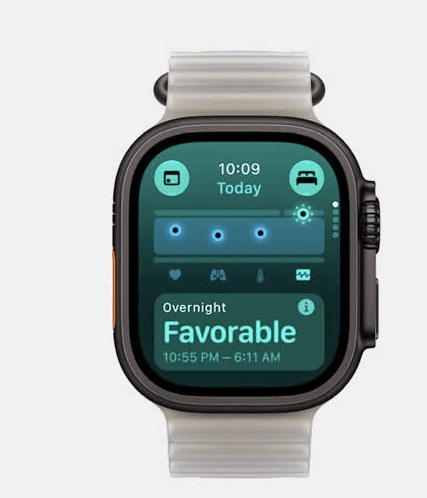
Beyond simply telling time, the apple watch has evolved into a comprehensive health and connectivity device, and understanding the breadth of what it actually offers helps shoppers determine whether it fits into their daily routine before making a purchase.
Health and Fitness Tracking Capabilities
At its core, the device tracks a wide range of health metrics including heart rate, activity levels, sleep patterns, and workout data, giving users an ongoing picture of their health trends rather than just isolated snapshots during a doctor’s visit.
Communication and Connectivity Features
Beyond health tracking, the watch allows users to receive calls, messages, and notifications directly on their wrist, and cellular-enabled models can even function somewhat independently of a paired phone for calls and messages when needed.
Safety Features Worth Understanding
Recent generations have introduced meaningful safety features, including fall detection and emergency SOS capabilities that can automatically alert emergency contacts if the device detects a potential accident, features that matter particularly for older users or those engaging in solo outdoor activities.
App Ecosystem and Customization
The watch supports a broad ecosystem of third-party apps beyond Apple’s own built-in features, along with customizable watch faces, allowing users to tailor the device’s function and appearance to their specific interests and daily needs.
Battery Life Realities
Unlike traditional watches, this device requires daily or near-daily charging, a practical consideration that some traditional watch wearers find takes adjustment, though most users quickly build charging into their daily routine, such as overnight or during a shower.
Learning More About Current Capabilities
For shoppers wanting to understand the full range of current features before deciding on a purchase, browsing information on the apple watch helps clarify what today’s models actually offer.
Deciding if It Fits Your Daily Routine
Ultimately, getting genuine value from this device depends on whether its health tracking, connectivity, and safety features align with habits a shopper will actually maintain, rather than simply buying it as a novelty that ends up unused after the initial excitement fades.
See also: Real-Time Gas Leak Detection with Advanced Thermal Camera Technology
Frequently Asked Questions
What health metrics does the Apple Watch typically track? The device tracks heart rate, activity levels, sleep patterns, and workout data, among other metrics, providing an ongoing picture of health trends over time.
Can the watch function without a paired iPhone nearby? Cellular-enabled models can function somewhat independently for calls and messages, though full functionality generally depends on being paired with an iPhone for setup and certain features.
How often does the Apple Watch need to be charged? Unlike traditional watches, it requires daily or near-daily charging, a routine most users build into habits like overnight charging or charging during a shower.
Final Thoughts
The Apple Watch has grown into a genuinely comprehensive health, safety, and connectivity device that goes well beyond simple timekeeping. Understanding its full range of capabilities helps shoppers assess whether it will genuinely integrate into their daily life before making a purchase decision.