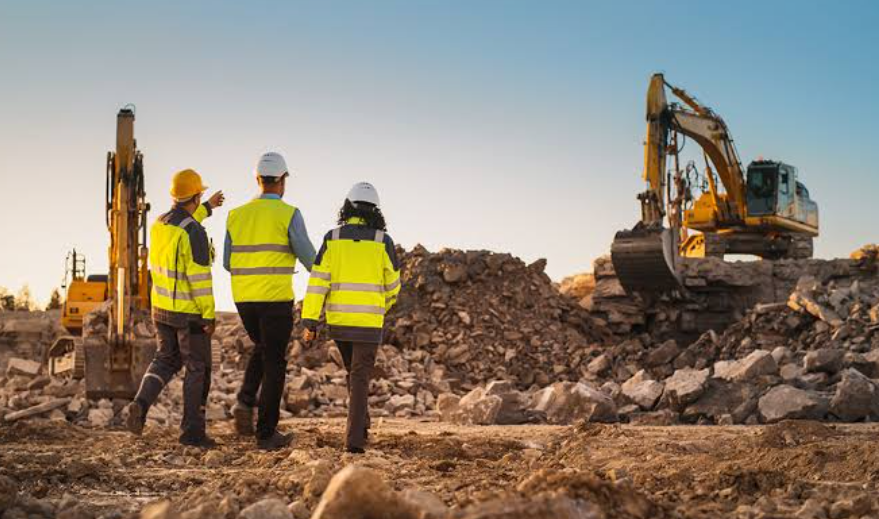
Remote construction projects introduce logistical challenges that are less common on urban or suburban jobsites. Crews may work far from permanent utilities, supply stores, medical facilities, fuel stations, and established roads. A minor oversight that would be easy to correct in town can cost hours when the nearest replacement part or service provider is a long drive away.
For contractors, effective field operations depend on preparation. Transportation, communications, sanitation, material storage, weather planning, and emergency procedures should all be considered before crews begin regular work at the site.
Evaluate Access Before Mobilization
Site access should be reviewed before heavy equipment, delivery trucks, or large crews arrive. Remote roads may include narrow sections, steep grades, soft shoulders, low clearances, or seasonal restrictions.
Contractors should identify which vehicles can realistically reach the work area and whether turning or unloading space is available. If access depends on private roads, gates, or temporary crossings, those arrangements should be confirmed in advance.
Alternate routes may also be useful when weather or road conditions change unexpectedly.
Plan Deliveries More Carefully
Frequent small deliveries are inefficient when suppliers are far from the project. Contractors should coordinate materials so larger, well-organized shipments arrive according to the construction schedule.
At the same time, bringing too much material too early can create storage problems. Lumber, fixtures, equipment, and weather-sensitive products need secure locations that do not interfere with active work.
Delivery instructions should include accurate directions, access limitations, unloading locations, and a reliable site contact.
Establish Reliable Communication
Cellular coverage can be inconsistent at remote sites. Contractors should determine how supervisors, crews, drivers, and emergency services will communicate before depending on ordinary smartphones.
Depending on the location, this may involve radios, signal boosters, satellite-based equipment, or another backup method. Crews should know which system to use for routine communication and which is reserved for emergencies.
Contact information and site directions should also be available offline in case internet service is unavailable.
Arrange Temporary Power and Water
Many remote construction sites begin without permanent electrical or water service. Generators, temporary power systems, water tanks, or portable distribution equipment may therefore become essential parts of daily operations.
Contractors should estimate demand rather than simply supplying the minimum. Tools, lighting, charging stations, pumps, and temporary offices can create significant power requirements.
Fuel and water replenishment schedules should be planned before supplies become critical, especially when vendors must travel long distances to reach the site.
Provide Practical Sanitation Facilities
Crews working away from established buildings still need accessible restroom and handwashing facilities. Placement should account for the active work area, service vehicle access, ground conditions, and the distance employees must travel during the workday.
Rent Porta Johns is one provider contractors may consider when arranging temporary sanitation for remote projects, and project managers can learn more when comparing service arrangements.
Facilities should be included in the mobilization plan rather than added only after crews begin working.
Maintain Fuel and Equipment Supplies
Remote sites leave less room for running out of fuel, hydraulic fluid, batteries, or commonly used replacement parts. Contractors should identify the equipment that is most important to production and maintain appropriate reserves.
Routine maintenance should also be scheduled carefully. A disabled loader, excavator, or generator can stop several crews when no replacement equipment is nearby.
Basic filters, hoses, fasteners, fluids, and other frequently needed items may be worth keeping on-site when storage conditions allow.
Organize Material and Tool Storage
Remote locations can be exposed to wind, rain, wildlife, and unauthorized access. Tools and construction materials should therefore have defined storage areas rather than being scattered throughout the property.
Weather-sensitive products may require enclosed or covered storage. Valuable equipment should be secured at the end of each shift, particularly when the site is unattended overnight.
Organized storage also saves time because crews do not have to search a large property for commonly used supplies.
Develop a Debris Management Plan
Construction waste can become a major problem when removal facilities are far away. Packaging, lumber scraps, damaged materials, and general debris should be consolidated into designated collection areas.
Contractors should avoid allowing waste piles to expand into equipment routes or material staging areas. Removal schedules may need to account for longer travel distances and less frequent service.
Separating heavy or recyclable materials can also make outgoing loads easier to manage.
Prepare for Weather Changes
Remote sites may have fewer sheltered areas and slower access to replacement materials after storms. Contractors should monitor weather closely and secure lightweight materials, temporary structures, and equipment before conditions deteriorate.
Rain can make unpaved access roads difficult or impossible for heavy vehicles. Cold, heat, or high winds may also affect productivity and worker safety.
Weather planning should include both the work itself and the ability of crews to reach or leave the site.
Establish Emergency Procedures
Emergency planning is especially important when medical care or public safety resources are far away. Supervisors should know the exact site location, the best access route for responders, and where crews should meet during an emergency.
First-aid supplies and trained personnel should reflect the number of workers and the distance from outside assistance. Emergency contact information should be available to more than one supervisor.
Crews should also understand procedures for severe weather, fires, equipment incidents, and communication failures.
Plan Crew Scheduling and Transportation
Long travel times can affect productivity before workers even reach the site. Contractors may need to coordinate carpools, company vehicles, staggered schedules, or temporary lodging depending on the project’s location and duration.
Shift planning should consider daylight, road conditions, fueling needs, and the availability of support services. Adding extra hours to compensate for travel can create fatigue if schedules are not managed carefully.
A predictable transportation plan helps crews arrive prepared and reduces daily delays.
See Also: Comparison of Basic and Pro Tennis Ball Machines for Solo Practice
Review Operations Regularly
Remote-site logistics should be reviewed as construction progresses. Access routes, storage needs, utilities, crew size, and delivery schedules may change significantly between early sitework and finishing phases.
Regular reviews allow contractors to remove equipment that is no longer needed and adjust services before they become inefficient.
Remote construction requires contractors to plan for problems that nearby infrastructure normally solves. Reliable access, communications, temporary utilities, sanitation, equipment supplies, debris handling, and emergency procedures all become more important when the project is isolated.
A well-organized field plan reduces unnecessary trips and helps crews remain productive despite the distance from ordinary support services. By preparing these systems before mobilization and adjusting them throughout the build, contractors can keep remote projects operating more consistently from start to finish.
