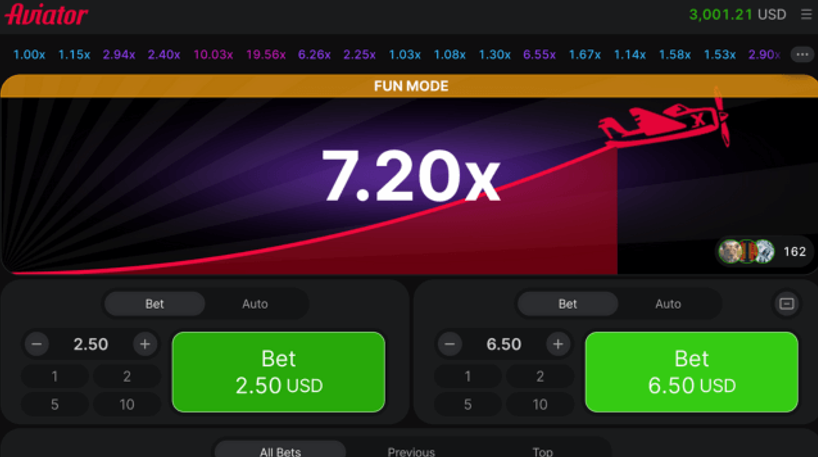
Aviator doesn’t “start” so much as it accelerates. The plane takes off, the multiplier starts moving, and the brain immediately wants certainty. It doesn’t get it. That’s the whole game. For a quick look at how the flow feels in practice, check the aviator casino game and pay attention to how the cash-out moment arrives.
The tricky part isn’t understanding the rules. It’s handling speed without turning it into panic. One bad click or one emotional adjustment can wreck a session faster than a losing streak ever could.
The Biggest Difference: Aviator Is a Timing Game, Not a “Hunch” Game
In slots, people can drift and still survive the rhythm. In Aviator Insta, decisions come in tight loops. The multiplier climbs, and the option to cash out stays right there – until it doesn’t. That disappearing window is what makes people overthink.
So the best “strategy” is less about chasing big multipliers and more about protecting the decision process:
- clarity over guessing
- consistency over “one more try”
- speed without rushing
Pre-Game Setup (The Part That Saves Money)
Most losing sessions start before the first cash-out. Not because of luck – because the plan wasn’t built to survive real emotions.
Before starting, lock these three things:
Session length (short and fixed)
Aviator moves fast. If the session has no end, it turns into one long impulse.
Risk per round (small enough to stay calm)
If a single loss feels like an emergency, the cash-out button becomes dangerous. It’s not the button’s fault.
Decision style (one choice rule)
Pick the style that matches the mood:
conservative: cash out earlier, more often
- balanced: middle targets, fewer regrets
aggressive: longer holds, higher variance
- Then stick to it. Changing style every few rounds is basically improvising while the plane is still climbing.
During the Round: How to Stop Overriding the Plan
Aviator’s temptation is subtle: the multiplier looks close to a “big number,” and the mind starts treating that proximity like a prediction.
Here’s what tends to go wrong mid-flight:
The “Almost There” Trap
Cash out, then watch the multiplier keep rising. That sting pushes the next exit higher automatically. It feels smart. It’s usually just momentum.
Fix: treat each round as independent. The round that already ended can’t be edited.
The “Fear of Missing It” Trap
A loss hits and the next cash-out feels urgent. Urgent decisions are rarely clean decisions.
Fix: after a bad round, reduce pressure for the next one. Don’t escalate immediately.
The “Fidgeting” Trap
Trying to micromanage the moment creates misclicks and delayed exits – especially on mobile. Sometimes players swear they “pressed in time,” but the UI didn’t register the input the way they assumed.
Fix: cash-out should become muscle memory, not a last-second panic tap.
Use the Interface Like a Pilot Uses Instruments
Aviator Insta isn’t just numbers – it’s a story. The history panel, the multiplier display and the cash-out. Are all part of it. So long as you can see it.
What to look for before you decide:
- multiplier digits are readable instantly (no zooming)
- cash-out button is obvious and reachable
- history aligns with what happened (no confusing delays)
- round status is clear (no “was it locked already?” moments)
If any of that feels off, the game becomes stressful. And stress is expensive.
A Clean Approach to “Higher Multipliers” Without Chasing
Higher multipliers are fun. The problem is turning fun into a mission.
A calmer way to treat bigger targets:
- keep most rounds on the chosen decision style
- reserve “high attempts” for a small portion of the bankroll
- stop the high attempts when discipline breaks (not when luck breaks)
This keeps sessions entertaining without letting one idea take over: “This time it will land.”
Common Mistakes That Don’t Look Like Mistakes
Some errors are so normal that players don’t notice them.
- Reducing pause time between rounds too much
Fast becomes frantic. Frantic invites errors. - Changing the cash-out target after every emotional swing
A session should have rules, not mood-based tuning. - Ignoring the cost of mistakes
In Aviator, a misclick can equal a full round’s plan. It’s not “small.” - Confusing excitement with strategy
A good session feels controlled, not frantic.
Responsible Limits (Because Speed Makes It Easier to Forget)
No one wants a lecture. Still, Aviator’s pace makes limits worth setting early, before the brain gets loud.
Practical boundaries:
- a stop-loss number that’s accepted up front
- a maximum session time
- a rule to stop after repeated errors (not repeated losses)
When the session starts producing sloppy behavior, it’s time to end it. The win that comes next might be nice, but the damage from tilt usually arrives first.
Quick “Smarter Play” Checklist
Before the first bet:
- session length
- risk per round chosen
- cash-out decision style picked
During the climb:
- avoid changing the plan mid-round
- don’t chase “almost there”
- cash-out without fidgeting
When it’s time to stop:
- stop on schedule or stop-loss
- stop after repeated UI/input mistakes
Aviator casino game sessions don’t get better by overthinking the multiplier. They get better by protecting the decision moment – keeping it readable, repeatable, and calm. The plane will always keep climbing the way it’s meant to. What matters is whether the choices stay steady while it does.
