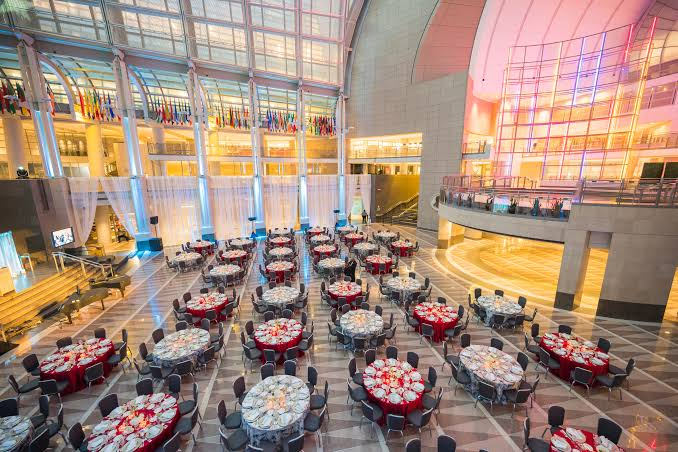
Conferences bring together professionals, business leaders, speakers, organizations, and audiences to exchange ideas, build relationships, and create new opportunities. Because these events often happen over a limited period, professional photography plays an important role in preserving the experience. DC Conference photography provides organizations with high-quality visual coverage that can be used for marketing, social media, websites, publications, and future promotional campaigns.
Washington, DC is a major destination for conferences, corporate meetings, nonprofit gatherings, government-related events, educational programs, and industry summits. With so many important events taking place throughout the year, professional conference photography helps organizations document their activities while presenting a polished and credible image.
Why Conference Photography Matters
A conference is more than a series of presentations. It is an opportunity for people to connect, communicate, learn, and represent their organizations. Professional photographs can capture these different elements and tell the complete story of an event.
High-quality images can show keynote speakers presenting to an audience, participants engaging in discussions, networking sessions, panel conversations, and memorable moments throughout the day. These photographs can later become valuable marketing assets.
Organizations can use conference images on their websites, newsletters, annual reports, press releases, social media accounts, and promotional materials. Instead of relying on generic stock photography, businesses can showcase authentic images from their own events.
Professional Coverage for Washington, DC Events
Washington, DC offers a unique environment for conferences. Events may take place in hotels, convention centers, meeting spaces, universities, offices, museums, and other professional venues. Each location has its own lighting conditions, layout, and photographic challenges.
A professional photographer understands how to work within these environments while maintaining a consistent visual style. They can move discreetly around the venue, capture important moments without interrupting presentations, and photograph both planned activities and spontaneous interactions.
For larger conferences, comprehensive coverage may be necessary. This can include photographs taken before the event begins, during registration, throughout keynote presentations, during networking sessions, and at closing activities.
Capturing Keynote Speakers and Presentations
Keynote speakers are often one of the central attractions of a conference. Their presentations may contain important messages that organizers want to highlight after the event.
Conference photography can capture speakers from different angles while showing the atmosphere of the room. Images that include both the presenter and audience can communicate the scale and energy of the event.
Photographers also need to understand timing. A strong photograph may involve a speaker making an expressive gesture, interacting with presentation material, or engaging directly with attendees. Professional event photographers watch for these moments rather than simply taking repetitive images.
Documenting Networking Opportunities
Networking is another important part of conferences. Attendees meet colleagues, potential clients, partners, industry experts, and other professionals. Photographs of these interactions can provide a more personal perspective of the event.
Candid networking images can show conversations, introductions, handshakes, group discussions, and informal exchanges. These photographs often make event coverage feel natural and authentic.
For organizations planning future events, networking photographs can also demonstrate the value of attending. Potential participants can see that the conference offers opportunities for meaningful professional connections.
Group and Team Photography
Many conferences include group photographs, organization portraits, sponsor photos, and team pictures. These images can be useful for both internal and external communications.
A professional photographer can help organize people efficiently and select an appropriate location for group portraits. Proper positioning, lighting, and composition can make a large group photograph look organized and professional.
Team photographs can also strengthen an organization’s visual identity. They may be used in newsletters, websites, social media posts, press materials, and internal communications.
The Importance of Candid Event Photography
While posed photographs have their place, candid photography adds personality to conference coverage. Unplanned moments can often communicate the atmosphere of an event more effectively than staged photographs.
A candid image might capture an attendee listening carefully to a presentation, colleagues sharing a conversation during a break, or participants reacting to an interesting discussion. These moments create a visual narrative that allows people who were not present to understand what the event felt like.
Professional conference photographers know how to remain unobtrusive while observing these moments. Their goal is to document the event naturally without making attendees uncomfortable.
See also: How Intelligent Systems Drive Business Efficiency
Photography for Marketing and Social Media
Conference photography has long-term marketing value. Once an event has finished, organizations can continue using the images for months or even years.
Social media platforms require engaging visual content, and authentic conference photographs can provide a steady supply of material. Organizations can share images of speakers, attendees, panel discussions, award ceremonies, and networking activities.
Professional photographs can also support post-event marketing campaigns. For example, organizers can create recap articles, highlight videos, email newsletters, and promotional materials using images from the conference.
Good photography helps transform a single event into a collection of reusable marketing assets.
Choosing the Right Conference Photographer
Selecting a photographer for a Washington, DC conference requires careful consideration. Experience with corporate and professional events is particularly valuable because conferences often involve strict schedules and important guests.
Organizations should look at a photographer’s previous event portfolio to understand their style and technical quality. It is also useful to discuss the event schedule in advance, including keynote presentations, panel discussions, group photographs, networking sessions, and any special activities.
Communication is another important factor. A photographer who understands the organization’s goals can prioritize the moments and people that matter most.
Preparing for a Successful Photography Experience
Good preparation can make conference photography more effective. Before the event, organizers should provide the photographer with a schedule and identify important speakers, guests, sponsors, and activities.
A photography checklist can help ensure that essential moments are not missed. The photographer should also understand venue restrictions, access requirements, lighting conditions, and any areas where photography may be limited.
Planning ahead allows the photographer to anticipate important moments instead of reacting to them at the last second.
Conclusion
DC Conference Photography provides organizations with a professional way to preserve important events and communicate their value to a wider audience. From keynote presentations and panel discussions to networking sessions and candid interactions, professional photographs can tell the complete story of a conference.
Washington, DC hosts a wide variety of professional gatherings, making quality event photography especially valuable for businesses, associations, nonprofits, educational institutions, and event organizers. With careful preparation, experienced coverage, and thoughtful image selection, conference photographs can become powerful resources for marketing, communication, and brand storytelling long after the event has ended.
Investing in professional conference photography is therefore not simply about recording what happened. It is about creating a visual record that communicates professionalism, participation, connection, and the overall experience of the event.
