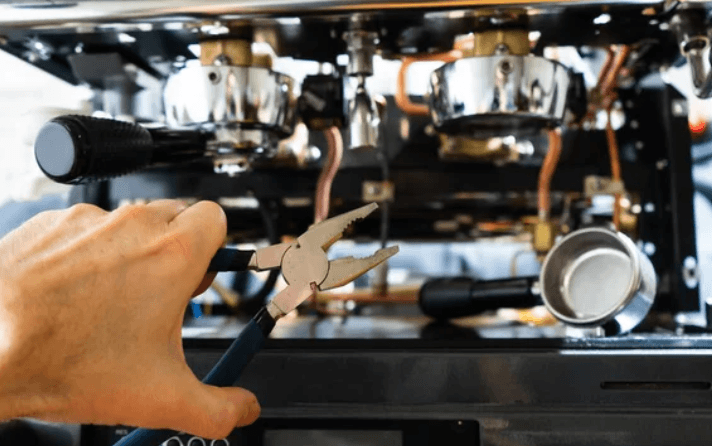
The Complicated Structure of Residential Coffee Machines Getting familiar with the process of brewing specialty coffee drinks at home is the dream come true of every fan of such activity. However, taking a look at a professional-grade machine is quite frightening due to the large number of buttons, lights, switches and dials. In order to become a real extraction expert, one should first comprehend how all physical elements interact with each other during the whole process. Recognizing these espresso machine parts transforms an overwhelming array of metal and electronics into an approachable, logical workstation. The comprehension of the espresso machine structure helps to transform an incredible number of mechanisms into something comprehensible and understandable for a person. It is important to know the structure of your machine if you want either to repair some defects of your device or just to brew your cup of espresso in a correct way.
Thermal Heart: Discovering the Boiler and Heating Chambers
In any advanced espresso system, it is essential to understand the heating mechanism that provides the proper temperature for brewing and steam production. Temperature stability plays an important role since any deviation will result in the bitter taste extraction or prevent coffee oils from being extracted. Advanced commercial and home machines have dual boilers and special heat exchangers, where water circulates in stainless steel and copper chambers that conserve heat. The first boiler maintains the consistent temperature suitable for brewing, while the second chamber or boiler produces the high-pressure steam. It is critical to have separate boilers to preserve thermal stability, even during the process of several back-to-back extractions or frothing of the milk for multiple clients. It is also helpful for users to know about the functionality of thermal components inside the coffee machine.
The Driving Mechanism: How Pumps Provide Perfect Extraction Pressure
Water pressure acts as the mechanical motor which enables hot water to go through a compressed mass of coffee grounds, thus forming the highly concentrated and emulsified solution called espresso. Without proper and regulated pressure, getting the iconic dense body, balanced taste, and thick crema would be impossible. There are two basic types of pumps used in the majority of espresso machines: vibratory and commercial rotary pumps. Rotary pumps are preferred by premium espresso machines due to their silent operation and ability to provide steady and adjustable pressure in order to saturate the coffee grounds evenly. When engaged, the pump increases the pressure to about nine bars which is regarded as the perfect value for extracting maximum solubles from coffee grounds. Having an understanding of the special features of the espresso machine when it comes to pressure control gives a barista the opportunity to regulate pre-infusion times and the rate of flow.
Group Head & The Importance of The Portafilter
Once the water has reached the correct temperature and pressure level, it moves into the group head, which is the last stage before entering the coffee bed. The group head is made of brass or stainless steel and is mechanically fastened to the portafilter in each extraction process. The portafilter acts as the handle and the basket holding device that holds the fresh ground and tamped coffee under the dispersion screen. By being locked in place, the metallic portafilter receives the heat to prevent any loss of heat in the water going through it. The filtration mechanism of the filter basket – with its numerous micro-holes precision etched – ensures that the extracted espresso enters your cup evenly. Regular maintenance in form of backflushing and cleaning avoids build-up of coffee oils and rancid substance that will ruin the next extraction.
Texturing Milk and Making Microfoam with the Steam Wand
The best way to prepare your espresso at home is by having a top-of-the-line steam wand that will turn your liquid milk into delicious microfoam. Being conveniently placed on the front faceplate of the machine, the steam wand extracts pressurized steam from the dedicated service boiler and creates the aeration effect in the milk. When working with milk, it is necessary to combine two processes – adding air in the first stretch of milk and creating a vortex for polishing the texture of the latter. The combination of those processes helps break big bubbles into billions of tiny air bubbles, thus providing you with a beautiful glossy milk. Being able to use the steam wand correctly, baristas are able to create latte art, making your ordinary cup of coffee into something special. Additionally, the insulation and ergonomic design of the modern steam wands help avoid burns from the hot surface.
Smart Controls & Detailed Instructions on Maintenance
Modern espresso machines combine classic mechanics with advanced digital controls that help control all the complexities of the brewing process. Interactive screens, PID temperature monitors, and adjustable shot timers provide a barista with full control over all the parameters in the process. If you want to deepen your understanding of how these complex systems operate and how to choose the right hardware, exploring a detailed espresso machine guide is an invaluable step. For those wishing to expand their knowledge about how the complicated system works, as well as select the right hardware, reviewing a comprehensive espresso machine guide should be a great step to take. They turn complex engineering principles into simple yet valuable instructions which will be helpful both for novices and experienced aficionados. In combination with the daily maintenance, knowledge of your machine’s inner parts allows you to maximize its efficiency.
