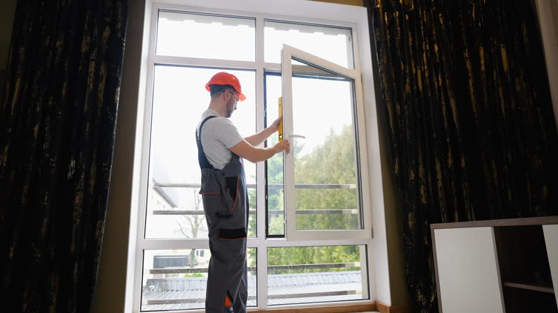
Windows and doors affect much more than the appearance of a commercial building. They help control indoor temperatures, protect employees and visitors, support building security, and prevent unwanted moisture from entering the property. Damaged frames, loose hinges, cracked glass, and worn seals can gradually create problems that affect daily operations. Timely doors and windows repair helps commercial property owners maintain safe entrances, comfortable indoor spaces, and properly functioning building components.
For facility managers, regular inspections and planned maintenance can reduce unexpected repair costs. Addressing minor faults early also helps extend the useful life of existing windows and doors. A well-maintained building provides a more comfortable environment while supporting the property’s long-term condition.
Why Windows and Doors Deserve Regular Attention in Commercial Properties
Commercial properties experience frequent movement throughout the day. Employees, customers, suppliers, and service providers use entrances repeatedly, placing constant pressure on door hardware, frames, hinges, and locking systems. Windows also face exposure to temperature changes, rain, wind, dust, and everyday wear.
Small maintenance issues can gradually affect building performance. A door that does not close properly may create security concerns, while a damaged window seal can allow outside air and moisture to enter. Regular attention helps facility managers identify these issues before they require more extensive work.
The Connection Between Building Comfort and Proper Sealing
Windows and doors help separate indoor conditions from the outdoor environment. Damaged weatherstripping, loose frames, and gaps around openings can allow heated or cooled air to escape.
This may increase the workload on heating and cooling equipment. Proper sealing helps maintain more stable indoor temperatures and reduces unnecessary energy loss. It also limits the entry of dust, drafts, and moisture.
See also: Can Dental Implants Restore Your Smile and Improve Everyday Oral Function?
Warning Signs That Your Windows or Doors Need Maintenance
Visible damage is not the only reason to arrange an inspection. Changes in how windows and doors operate can indicate problems with their components. Facility teams should pay attention to unusual sounds, resistance during operation, and changes around frames or glass.
Recognising these signs early gives property managers time to arrange suitable repairs and reduce the risk of further damage.
Doors That Stick, Drag, or Fail to Close Properly
A commercial door should open and close without excessive force. If it sticks, drags against the floor, or refuses to latch, the issue may involve misaligned hinges, worn hardware, damaged frames, or changes in the door’s positioning.
These problems can affect accessibility and building security. Doors that remain partially open may also allow unwanted air movement and create difficulties for people entering or leaving the property.
Condensation, Cracks, and Damaged Window Seals
Condensation between glass panes can indicate that an insulated glass unit has lost its seal. Cracks, loose glazing, and deteriorating caulking also deserve attention.
Moisture entering through damaged seals may affect nearby wall finishes and window frames. A professional inspection can help determine whether the problem requires resealing, glass repair, or replacement.
Faulty Locks and Loose Door Hardware
Locks, handles, closers, panic hardware, and hinges receive frequent use in commercial buildings. Loose handles or unreliable locking mechanisms can make entrances difficult to operate and compromise security.
Facility managers should arrange repairs as soon as these components show signs of wear. Emergency exits and other safety-related door hardware require particular attention because they must remain functional when occupants need to leave the building.
Repair or Replacement: Which Option Makes More Sense?
Not every damaged window or door needs complete replacement. The right decision depends on the condition of the existing unit, the type of damage, the availability of replacement components, and the expected maintenance costs.
A professional assessment can help establish whether a repair will restore safe operation or whether the existing installation has reached the point where replacement is more practical. This decision should also consider energy performance, building requirements, and the expected lifespan of the repaired components.
When Repairs Can Restore Normal Performance
Repair may be suitable when the main structure remains in good condition. Loose hinges, faulty handles, damaged weatherstripping, minor alignment problems, and certain locking issues can often be addressed without replacing the entire unit.
Restoring individual components can reduce material costs and avoid unnecessary construction work. However, repairs should address the underlying cause rather than temporarily improve the appearance of the problem.
When a Full Replacement Is Worth Considering
Replacement may be necessary when frames are severely damaged, glass units have failed, or repeated repairs no longer provide reliable performance. Older windows and doors may also lack the insulation, security features, or durability required by the property’s current needs.
Modern window replacement services can help commercial property owners address these concerns through suitable new installations. The selection process should consider measurements, building design, usage requirements, insulation performance, and compatibility with existing structures.
How Window and Door Maintenance Supports Energy Efficiency
Heating and cooling costs are influenced by several building components, including the condition of windows and doors. Open gaps, damaged seals, and poorly fitted frames can contribute to unwanted heat transfer.
Regular maintenance helps reduce these weaknesses and supports more consistent indoor conditions. It also allows facility managers to identify areas where older installations may be affecting overall energy performance.
Inspect Weatherstripping and Window Seals
Weatherstripping creates a barrier around movable window and door sections. Over time, it can become compressed, cracked, loose, or less effective.
During routine inspections, maintenance teams should check whether seals remain properly positioned and whether gaps are visible around the frames. Damaged materials should be replaced with suitable products designed for the specific installation.
Check Glazing and Frame Conditions
Glass quality and frame condition both influence insulation. Damaged glazing, deteriorating seals, and gaps between frames and surrounding walls can reduce a window’s ability to maintain indoor temperatures.
Inspections should include the condition of glass panes, frame joints, caulking, and surrounding surfaces. Any signs of water entry should be investigated promptly to prevent further deterioration.
Creating a Practical Maintenance Schedule for Commercial Buildings
A planned maintenance schedule gives facility managers a consistent way to monitor windows and doors. Instead of waiting for complaints or visible failures, teams can check important components at regular intervals and record any issues that require attention.
Inspection frequency should reflect the building’s size, usage, environmental exposure, and the amount of daily traffic. Entrances in busy commercial spaces may require more frequent checks than windows in areas with limited access.
What Should a Routine Inspection Include?
A useful inspection should cover the main operating and protective components of every window and door. Maintenance teams can review the following areas:
- Hinges, handles, locks, and closing mechanisms.
- Door alignment and smooth opening or closing.
- Cracks, chips, and damage to glass.
- Weatherstripping, caulking, and frame seals.
- Signs of corrosion, moisture, or deterioration.
- Emergency exit operation and related hardware.
- Loose fittings and damaged surrounding surfaces.
Inspection records should include the location, condition, reported issue, and action taken. This information helps property managers track recurring problems and plan future maintenance budgets.
Why Professional Maintenance Matters
Some issues require specialist tools, suitable replacement components, and technical knowledge of commercial installations. Incorrect adjustments can cause further damage or leave windows and doors operating unsafely.
Professional technicians can assess the condition of the installation, identify the source of the problem, and recommend appropriate repairs or replacement. Coordinating this work through an organised facility maintenance provider can also help managers oversee service requirements across multiple properties.
Choosing Suitable Window and Door Solutions for Your Facility
Commercial buildings have different operational requirements. Retail properties may need durable entrances that handle frequent customer traffic, while office buildings may place greater emphasis on indoor comfort, appearance, and access control. Industrial properties may require stronger installations suited to their working environments.
Material selection, hardware quality, installation standards, and maintenance requirements should all influence purchasing decisions. Property managers should also consider accessibility, security, weather exposure, and applicable building codes before approving new installations.
Working with an experienced service provider helps ensure that the selected work matches the building’s actual requirements. Facility Network offers window and door installation, repair, maintenance, weatherproofing, and related services for commercial properties across Canada.
Keep Your Commercial Property Safe and Functional
Windows and doors require consistent care to remain secure, efficient, and easy to operate. Ignoring small defects can lead to more extensive damage, higher energy consumption, and avoidable disruption to building operations.
Facility managers can maintain better control over these issues through scheduled inspections, timely repairs, and informed replacement decisions. Giving these building components proper attention supports occupant comfort, protects the property, and helps maintain reliable day-to-day operations.
Frequently Asked Questions
1. How often should commercial windows and doors be inspected?
Commercial windows and doors should be inspected at least twice a year. High-traffic entrances and installations exposed to harsh weather may require more frequent checks to identify damage and operating issues.
2. What are the common signs that a commercial window needs repair?
Common signs include cracked glass, condensation between panes, damaged seals, difficulty opening or closing, and drafts around the frame. These issues should be assessed before they cause further damage.
3. Is repairing an existing commercial door better than replacing it?
Repair is often suitable when the door structure remains in good condition and only individual components need attention. Replacement may be more practical when the frame, hardware, or overall structure has extensive damage.
4. Can damaged windows and doors increase commercial building energy costs?
Yes. Broken seals, gaps, and poorly fitted frames can allow indoor air to escape and outside air to enter. This can increase heating and cooling demands and affect indoor comfort.
5. What window and door maintenance services does Facility Network provide?
Facility Network provides commercial window and door installation, repairs, maintenance, weatherproofing, and energy-efficient upgrades to help businesses maintain secure and functional properties.
