Gas leaks can create serious safety, environmental, and operational risks across industrial facilities. Traditional inspection methods may depend on physical access, visible signs, or handheld detection instruments that identify thermal camera for gas leak detection real time problems only after a leak has developed. Advanced thermal imaging technology provides a different approach by allowing professionals to inspect equipment and surrounding areas visually and efficiently. With the right thermal camera, potential gas leaks can be detected in real time, helping maintenance teams respond faster and improve workplace safety.
Understanding Real-Time Gas Leak Detection
Real-time gas leak detection involves continuously or periodically monitoring equipment and process areas for indications of escaping gases. In industrial environments, leaks can occur around valves, pipelines, storage systems, connectors, flanges, tanks, and other components.
An advanced thermal camera can support this inspection process by capturing thermal information and displaying temperature variations across a scene. Certain gases can produce detectable thermal signatures or create temperature differences in the surrounding environment. When combined with appropriate imaging technology and inspection techniques, these differences can help operators identify areas that require closer investigation.
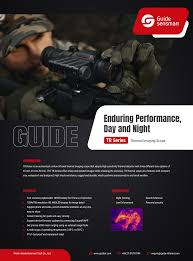
Guide Sensmart develops thermal imaging solutions designed to support professional inspection and monitoring applications. Its thermal cameras can provide visual information that helps users examine industrial equipment without relying solely on conventional inspection methods.
Why Thermal Imaging Is Valuable for Gas Leak Detection
One of the major benefits of thermal imaging is its ability to inspect areas without requiring direct physical contact. Operators can observe equipment from a safer distance while examining a broad field of view.
This can be particularly useful in industrial facilities where pipelines, tanks, process equipment, and elevated components may be difficult or unsafe to access directly. A thermal camera can help inspectors identify unusual thermal patterns and determine where additional investigation may be necessary.
Thermal imaging can also support faster inspection routines. Instead of checking every component individually with extensive manual procedures, technicians can scan larger areas and focus their attention on locations showing unusual patterns.
Real-Time Monitoring for Industrial Safety
Real-time monitoring is especially valuable in environments where gas-related incidents could affect workers, equipment, or production. Continuous observation can help maintenance teams recognize changes sooner and investigate potential problems before they become more serious.
Guide Sensmart thermal imaging technology can be incorporated into inspection workflows where rapid visual assessment is important. Thermal information can provide an additional layer of data alongside established gas detection and safety procedures.
It is important to understand that thermal imaging should not automatically be treated as a replacement for certified gas detection equipment. Instead, it can complement existing safety systems by helping identify suspicious areas and supporting faster visual inspection.
Applications Across Industrial Facilities
Advanced thermal cameras can be useful in a variety of industrial environments. Refineries, chemical processing facilities, power plants, manufacturing sites, storage areas, and energy infrastructure all contain equipment that may require regular inspection.
Pipeline systems are one example. Thermal imaging can help technicians scan long sections of piping and identify unusual temperature patterns that deserve further examination. Valves and connections can also be inspected without requiring immediate physical contact.
Storage tanks and process equipment can benefit from similar inspection techniques. Changes in thermal behavior may indicate abnormal operating conditions, insulation problems, or areas that should receive additional attention.
Improving Inspection Efficiency
Industrial inspection can be time-consuming when technicians need to manually examine numerous components. Thermal cameras can acoustic thermal camera for gas leak detection make the process more efficient by providing a visual overview of equipment and highlighting areas with noticeable thermal differences.
Modern thermal imaging systems can offer high-resolution images, temperature measurement functions, and multiple viewing modes. These features allow technicians to interpret thermal information more effectively.
Guide Sensmart solutions are designed for professional thermal imaging applications, helping users capture and analyze thermal information during inspection activities. Depending on the camera model and application, users can benefit from features that support detailed observation and documentation.
Detecting Problems Before They Escalate
Early identification is an important part of preventive maintenance. A small abnormality may indicate an issue that requires further investigation, and finding it early can give maintenance teams more time to evaluate the situation.
Thermal inspections can be incorporated into scheduled maintenance programs to establish a consistent monitoring routine. Technicians can compare observations from different inspections and identify changes in equipment behavior over time.
For gas-related applications, this approach can help teams investigate potential leak locations more efficiently. When thermal imaging is combined with appropriate safety procedures and other detection technologies, organizations can create a more comprehensive inspection strategy.
Safer Remote Inspection
Safety is one of the most important considerations when inspecting industrial equipment. Some areas may contain hazardous substances, high temperatures, pressurized systems, or difficult access conditions.
A thermal camera allows operators to gather useful visual information from a distance. This can reduce the need for unnecessary close-range inspection during the initial assessment.
Guide Sensmart thermal cameras can support remote inspection workflows by providing thermal and visual information that helps technicians evaluate equipment before deciding whether closer examination is necessary. Proper workplace procedures, personal protective equipment, and site-specific safety requirements should always remain part of the inspection process.
The Role of Image Quality and Measurement
Reliable thermal inspection depends heavily on image quality and accurate interpretation. A camera with suitable thermal sensitivity, resolution, measurement capabilities, and viewing options can provide more useful information to the operator.
Clear thermal images make it easier to identify temperature differences and compare equipment areas. Measurement tools can also help technicians examine specific points or regions within an image.
However, thermal data should always be interpreted according to the operating environment. Ambient temperature, airflow, surface materials, equipment conditions, distance, and atmospheric factors can influence thermal readings. Proper training and inspection procedures are therefore essential.
Combining Thermal Imaging With Preventive Maintenance
Thermal cameras are particularly valuable when they become part of a structured maintenance program rather than being used only after a problem is suspected.
Organizations can schedule thermal inspections for critical equipment and maintain records of previous observations. Over time, these records can help technicians recognize developing patterns and prioritize areas for additional investigation.
Guide Sensmart thermal imaging solutions can contribute to this preventive approach by giving maintenance teams practical visual data during routine inspections. This can support better documentation, faster assessment, and more organized maintenance planning.
See also: How Intelligent Systems Improve Business Outcomes
Choosing the Right Thermal Camera
Selecting a thermal camera for gas-related inspection requires consideration of the specific application. Important factors may include thermal resolution, sensitivity, measurement accuracy, field of view, operating temperature range, image storage, display quality, portability, and inspection distance.
The environment should also be considered. A camera intended for industrial inspection should be suitable for the conditions in which it will real time gas detection thermal camera be used. Users should review the technical specifications and application capabilities of the selected Guide Sensmart model before deployment.
A suitable camera can make inspections more practical while helping technicians gather consistent information across different inspection locations.
Conclusion
Real-time gas leak detection is an important part of industrial safety and preventive maintenance. Advanced thermal camera technology provides inspectors with a non-contact method for observing thermal patterns and identifying areas that may require further investigation.
Guide Sensmart offers thermal imaging solutions that can support professional inspection workflows across industrial environments. By combining thermal imaging with established gas detection systems, maintenance procedures, safety practices, and trained personnel, organizations can build a more comprehensive approach to equipment monitoring.
As industrial facilities continue to prioritize safety, efficiency, and proactive maintenance, thermal imaging can play an increasingly useful role in identifying unusual conditions and supporting faster inspection decisions.
