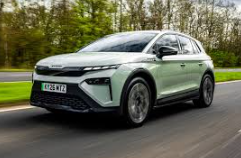
Switching to a battery-powered car is a bigger decision than choosing a colour or a trim level. It changes how you refuel, how you plan longer journeys, and how much you spend on running costs. For many drivers the change is a positive one, but it helps to go into it with clear information rather than a sales pitch. This guide covers the practical questions that matter most, so you can decide with confidence.
Range: What the Number Really Means
The headline range figure is measured in controlled conditions, and most drivers will see a lower number in everyday use. Cold weather, air conditioning, motorway speeds and hilly roads all reduce range, sometimes by a noticeable amount. That does not make the figure useless, but it does mean you should treat it as a guide rather than a promise.
Think about your longest regular journey, not your average one. If your daily drive is short but you visit family two hours away once a month, the car needs to handle that longer trip comfortably, or you need a charging stop you are happy with. A good rule is to look for a model whose real-world range covers your longest regular journey with something in reserve, so you are not arriving with the battery nearly empty.
Charging at Home and Away
For most owners, home charging is the biggest change, and the biggest benefit. Plugging in overnight means starting each day with a full battery, and home electricity is usually cheaper than public charging. If you have a driveway or a garage, a home charger for your electric car is worth considering early, since installation can take time to arrange.
If you live in a flat or park on the street, the picture is different. You will rely more on public chargers, workplace charging, or a mix of both. Before buying, check what is available near your home and your workplace, and how busy those chargers are at the times you would use them. A charger that is always in use is not a reliable plan. Some drivers manage well with public charging alone, but it takes more planning than home charging, so be honest about whether that suits your routine.
Running Costs and the Bigger Picture
Electricity is generally cheaper per kilometre than petrol, and battery-powered cars have fewer moving parts, which can mean lower maintenance bills. There are no oil changes, and brake wear is often lower because the motor helps slow the car. Those savings add up over time, especially for drivers who cover a lot of distance each year.
Size, Comfort and Everyday Use
Battery-powered models come in many shapes, from small city cars to large family vehicles. A smaller car is easier to park and usually cheaper to run, while a larger one offers more space for passengers and luggage. Think about the car parks you use, the roads you drive, and the people and things you carry most often.
Using an Online Configurator Well
Most manufacturers now let you build a car online, choosing colours, wheels, interior trims and extra features. This is a useful tool, but it can also lead to spending more than planned. Before you start, decide which features matter to you and which are nice but not essential. Driver assistance systems, heated seats and a better sound system are pleasant, but they may not be worth a large increase in price.
An online configurator lets you compare versions side by side and see how each choice affects the price, which makes it easier to stay within your budget. Take screenshots of the versions you like, and compare them calmly rather than deciding in one sitting. It is also worth checking whether the version you have built is actually available, since some combinations have longer waiting times. A configurator is a planning tool, not a commitment, so use it to learn rather than to rush.
Frequently Asked Questions
1. How far can I really drive on a full charge?
It depends on the model, the weather and how you drive. Most drivers find that real-world range is lower than the official figure, especially in cold weather or at motorway speeds. As a rough guide, plan your regular journeys with a margin of about a fifth of the battery in reserve. For occasional long trips, a short stop at a rapid charger is usually enough to complete the journey comfortably.
2. Do I need a home charger?
It helps a great deal, but it is not always essential. If you have off-street parking, a home charger makes daily life much simpler and usually cheaper. If you do not, check the public chargers near your home and workplace, and consider whether workplace charging is available. Some drivers manage well without home charging, but it requires more planning, so weigh that honestly before you buy.
3. Are battery-powered cars more expensive to insure?
They can be, for some models, because repair costs and parts prices vary. However, insurance depends on many factors, including the driver, the area and the model. The best approach is to get a few quotes for the exact models you are considering before you decide. That way, insurance becomes a known cost rather than a surprise after the purchase.
Conclusion
Choosing a battery-powered car is mostly a matter of honest planning. Look at your real driving habits, check the charging options near your home and workplace, and work out the total cost over the years you will keep the car. Use an online configurator to compare versions calmly, and take a proper test drive on roads you know. With those steps, the switch becomes a practical decision rather than a leap of faith, and the car you choose should suit your daily life from the first week onwards.
