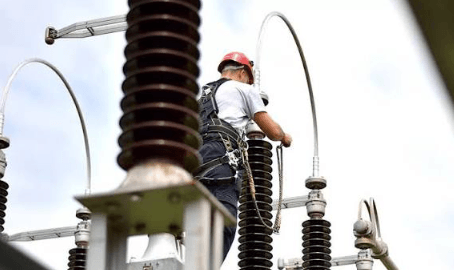
Electrical systems are essential to modern industry, infrastructure, utilities, and commercial facilities. As these systems become more complex, workers responsible for installation, inspection, and maintenance must follow strict safety procedures to control the risks associated with electrical energy. High-voltage environments demand particular attention because an error can result in severe burns, electric shock, equipment damage, or fatal injury.
Electrical insulating gloves are an important form of personal protective equipment when required by an electrical risk assessment and approved work procedure. However, different glove classes are designed for different electrical conditions. Selecting the correct classification, verifying product documentation, and maintaining the equipment properly are essential steps in a responsible safety programme.
Class 4 insulating gloves are intended for specialised electrical applications involving higher voltage exposure than lower-class gloves. Understanding their ratings, limitations, and maintenance requirements helps safety managers and electrical professionals make informed decisions about protective equipment.
Understanding Class 4 Electrical Insulating Gloves
Electrical insulating gloves are manufactured from materials designed to provide electrical insulation under defined test conditions. They are different from ordinary work gloves, which may protect against abrasion, dirt, or minor mechanical hazards but are not intended to provide certified protection from electric shock.
Under commonly used classifications, Class 4 insulating gloves have a maximum use voltage of 36,000 volts AC. The corresponding test requirements and permitted use conditions depend on the applicable standard and the specific product documentation.
This rating must not be interpreted as permission to perform any task at or below that voltage without further assessment. The correct protection depends on the electrical system, work method, surrounding hazards, and requirements established by applicable regulations and workplace procedures.
Always verify the markings and technical documentation for the exact glove being considered. Do not rely solely on a general product description.
Why High-Voltage Protection Requires Careful Planning
Reducing Electrical Shock Hazards
Contact with high-voltage equipment can cause serious or fatal injury. Suitable insulating gloves can provide a protective barrier when they are correctly selected, maintained, and used within their approved limits.
However, insulating gloves do not eliminate all electrical hazards. Damage, contamination, unsuitable environmental conditions, or incorrect use can compromise their protective properties.
High-voltage work requires a complete safety strategy that may include isolation, verification of de-energised conditions, grounding where required, controlled access, and approved work procedures. The exact measures depend on the installation and the governing safety rules.
Supporting Utility and Industrial Maintenance
Electrical utilities, substations, industrial facilities, and specialised maintenance teams may work with equipment that requires higher-class insulating protection. The equipment used must match the anticipated exposure and the procedures approved for that environment.
A documented equipment-selection process helps workers identify the correct gloves before beginning a job. It also allows supervisors to verify that the equipment remains within its inspection and testing requirements.
Improving Consistency Across Work Teams
Large organisations may have multiple teams working at different sites. Standardised procedures for glove selection, inspection, storage, and replacement reduce uncertainty and improve equipment control.
Training should explain how to read product markings, identify unsuitable equipment, and report damage. Workers should also understand when a task must stop because the available equipment or conditions do not meet the required safety criteria.
Important Factors When Selecting Class 4 Gloves
Verify the Required Voltage Rating
Begin by identifying the system voltage and the maximum possible exposure associated with the task. Consider the work method, adjacent energised components, fault scenarios, and the specific requirements of the applicable standard.
The nominal operating voltage alone may not fully describe the risk. If the required protection is unclear, the task should be reviewed by a qualified electrical safety professional before work proceeds.
Confirm Standards and Product Documentation
Insulating gloves should have clear product identification and supporting technical documentation. Depending on the jurisdiction and application, relevant standards may include ASTM D120 or IEC 60903.
Confirm the applicable standard, classification, testing requirements, and any necessary certification. A product designation by itself does not establish compliance with every workplace or regional requirement.
Evaluate Fit and Usability
Gloves must fit correctly to support safe handling and approved working movements. Poorly fitting gloves can reduce dexterity and make it more difficult to control tools.
Follow the manufacturer’s sizing guidance and select a glove length suitable for the task. If additional protective equipment is needed, ensure that the combination is compatible with the insulating gloves and does not compromise their condition.
Consider Environmental Conditions
High-voltage work may take place outdoors, in substations, or in industrial locations exposed to heat, cold, moisture, dust, and contaminants. The material must be suitable for the expected environment.
Review the manufacturer’s restrictions regarding temperature, chemical exposure, cleaning, and storage. Where other hazards exist, select additional protective equipment according to the risk assessment.
Inspection, Testing, and Equipment Care
Inspect Before Every Use
Before using insulating gloves, examine them for cuts, punctures, cracks, swelling, stickiness, contamination, and other signs of deterioration. Check the cuff and other areas where damage may be less obvious.
Use the inspection method specified by the manufacturer and applicable standard. If damage is detected or the condition is uncertain, remove the gloves from service and follow the established assessment procedure.
Visual inspection is essential, but it does not replace required electrical testing.
Follow Electrical Testing Requirements
High-voltage insulating gloves may be subject to specific dielectric testing requirements. The relevant standard and workplace rules determine the necessary procedures and intervals.
Maintain records of test dates, results, and equipment status. Never use gloves when required testing is overdue or when their compliance status cannot be confirmed.
The testing process should be carried out by an appropriately equipped and qualified facility or service provider following the applicable requirements.
Store Gloves Under Suitable Conditions
Store insulating gloves in a clean, dry place protected from direct sunlight, excessive heat, ozone sources, sharp objects, and damaging pressure. Use suitable protective containers or bags when recommended by the manufacturer.
Do not fold, compress, or place heavy objects on the gloves if doing so could damage the insulating material. Appropriate storage helps preserve the equipment between inspections and uses.
Clean Only as Directed
Cleaning products and methods must be compatible with the glove material. Follow the manufacturer’s instructions for cleaning, drying, and returning equipment to service.
Avoid improvised repairs or unapproved treatments. Gloves that are damaged or no longer meet the required condition should be removed from service and replaced according to established procedures.
Integrating Gloves Into a Complete Safety Programme
Protective gloves are only one component of high-voltage risk management. Electrical teams may also need appropriate protective clothing, face protection, footwear, insulated tools, and other equipment identified through a task-specific risk assessment.
Different hazards require different controls. For example, protection against electric shock and protection against arc-flash energy are not interchangeable. Employers should ensure that the selected equipment addresses the relevant risks rather than assuming one item provides complete protection.
Training should cover equipment limitations, inspection methods, safe work procedures, and emergency response. Supervisors should verify that workers understand the requirements and have the appropriate equipment before authorising work.
Regular reviews are also valuable when installations, procedures, or environmental conditions change.
See also: Real-Time Gas Leak Detection with Advanced Thermal Camera Technology
Choosing a Reliable Supplier
Procurement teams should evaluate more than price when purchasing high-voltage protective equipment. Important considerations include the glove classification, documented test results, applicable standards, traceability, available sizes, storage requirements, and supplier technical support.
When reviewing ppemax Class 4 Electrical Insulating Rubber Gloves confirm the specific product’s documented voltage rating, relevant compliance information, testing requirements, and recommended conditions of use. Verify that it meets the requirements of the intended electrical task before it is placed into service.
A dependable supplier should provide clear identification and technical documentation. Consistent availability and reliable records can also help organisations manage equipment replacement and compliance across multiple sites.
Purchasing decisions should consider the total cost of ownership, including inspection, testing, storage, replacement, and training. Suitable equipment and documented procedures can support a more reliable safety programme than price-based purchasing alone.
Frequently Asked Questions
1. What is the typical maximum use voltage for Class 4 insulating gloves?
Under commonly used classifications, Class 4 gloves have a maximum use voltage of 36,000 volts AC. Always verify the specific product markings, applicable standard, and workplace requirements before use.
2. Can Class 4 gloves eliminate all high-voltage risks?
No. Gloves are only one part of an electrical safety system. Proper risk assessment, isolation procedures, verification, training, and other required protective measures remain essential.
3. How should Class 4 insulating gloves be maintained?
Inspect gloves before use, follow the applicable electrical testing schedule, store them under suitable conditions, and clean them only as instructed. Remove damaged or questionable equipment from service according to the established procedure.
Conclusion
Class 4 electrical insulating gloves are designed for specialised high-voltage applications within defined performance limits. Their effectiveness depends on selecting the correct classification, verifying documentation, maintaining the required test status, and using them according to approved procedures.
Electrical professionals should treat protective equipment as part of a broader safety strategy that includes training, risk assessment, isolation, and appropriate work controls. Careful procurement and consistent maintenance help organisations support reliable protection and responsible high-voltage operations.
